Press Release · SmallRig
Climate Storytelling Shows That Nature Can Heal, but the World Must Care
Distributed by Slow Ride Media · Originally issued via PR Newswire
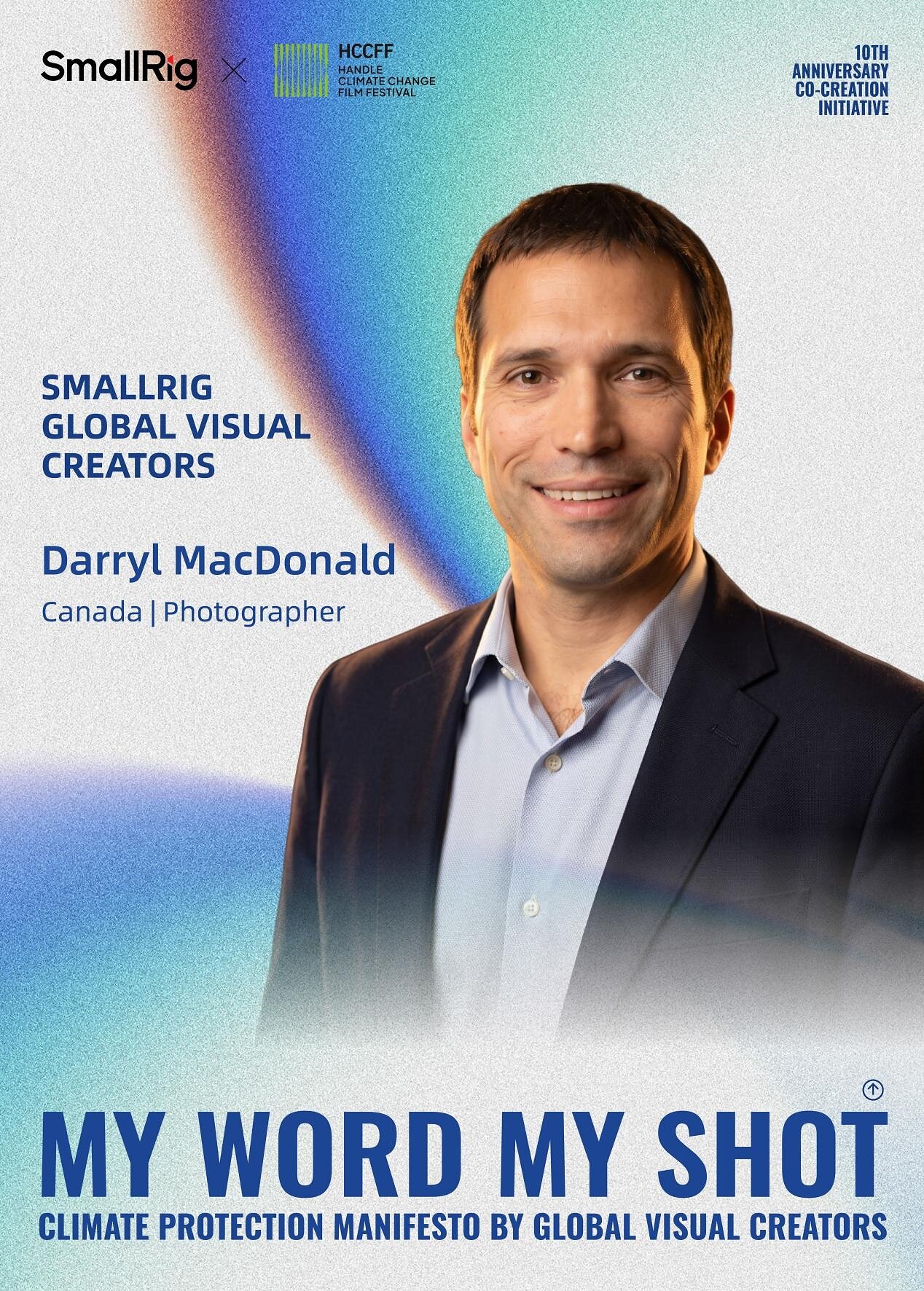
SmallRig-invited creator Darryl MacDonald on what wildlife's return to South Georgia shows about the power of climate storytelling, at COP31 in Antalya
ANTALYA, Türkiye, Nov. 25, 2026 — Imaging-gear brand SmallRig hosted the Global Climate Film and Television Creators Exchange in Antalya, Türkiye on November 12, bringing together filmmakers, photographers, and visual storytellers under the theme "THE WORLD WE SHOOT: CLIMATE STORIES."
Featured speaker Darryl MacDonald, a Canadian wildlife videographer, shared lessons from over a decade of documenting remote ecosystems worldwide. Drawing examples from South Georgia and Oman, he argued that nature can recover when given time and space, but only if people care enough to protect it.
One example came from South Georgia, once a major whaling hub where more than 175,000 whales were processed during the twentieth century. Returning years later, MacDonald witnessed penguins, seals, and whales reclaiming habitats once shaped by human exploitation, reinforcing his belief in nature's resilience and the value of documenting both environmental loss and recovery.
MacDonald also discussed Wild Oman, a documentary project produced with a modest budget and small crew. Rather than relying on expensive equipment, the team combined local knowledge, scientific research, and patient observation to document one of the world's largest previously unrecorded whale shark aggregations, rare green turtle behaviors, and the critically endangered Arabian humpback whale.
Through these experiences, MacDonald emphasized that meaningful storytelling is not defined by budget or technology. Powerful stories can emerge from local environments when creators approach them with curiosity, humility, and a commitment to understanding the science behind what they observe.
He also stressed that ethical filmmaking must remain a top priority. Whether documenting wildlife or fragile ecosystems, creators have a responsibility to ensure their work does not disturb the environments they seek to protect.
Reflecting on today's digital landscape, MacDonald noted that storytelling is no longer a zero-sum game. Collaborative ecosystems and online platforms increasingly allow creators, researchers, and conservation advocates to amplify one another's voices and expand public engagement with environmental issues.
MacDonald encouraged creators to seek out unseen stories and use their skills to bridge the gap between people and the natural world. Echoing SmallRig's belief in the power of visual storytelling, he said that when creators view their work as a catalyst for conservation, its impact can extend far beyond the frame.
SOURCE SmallRig